
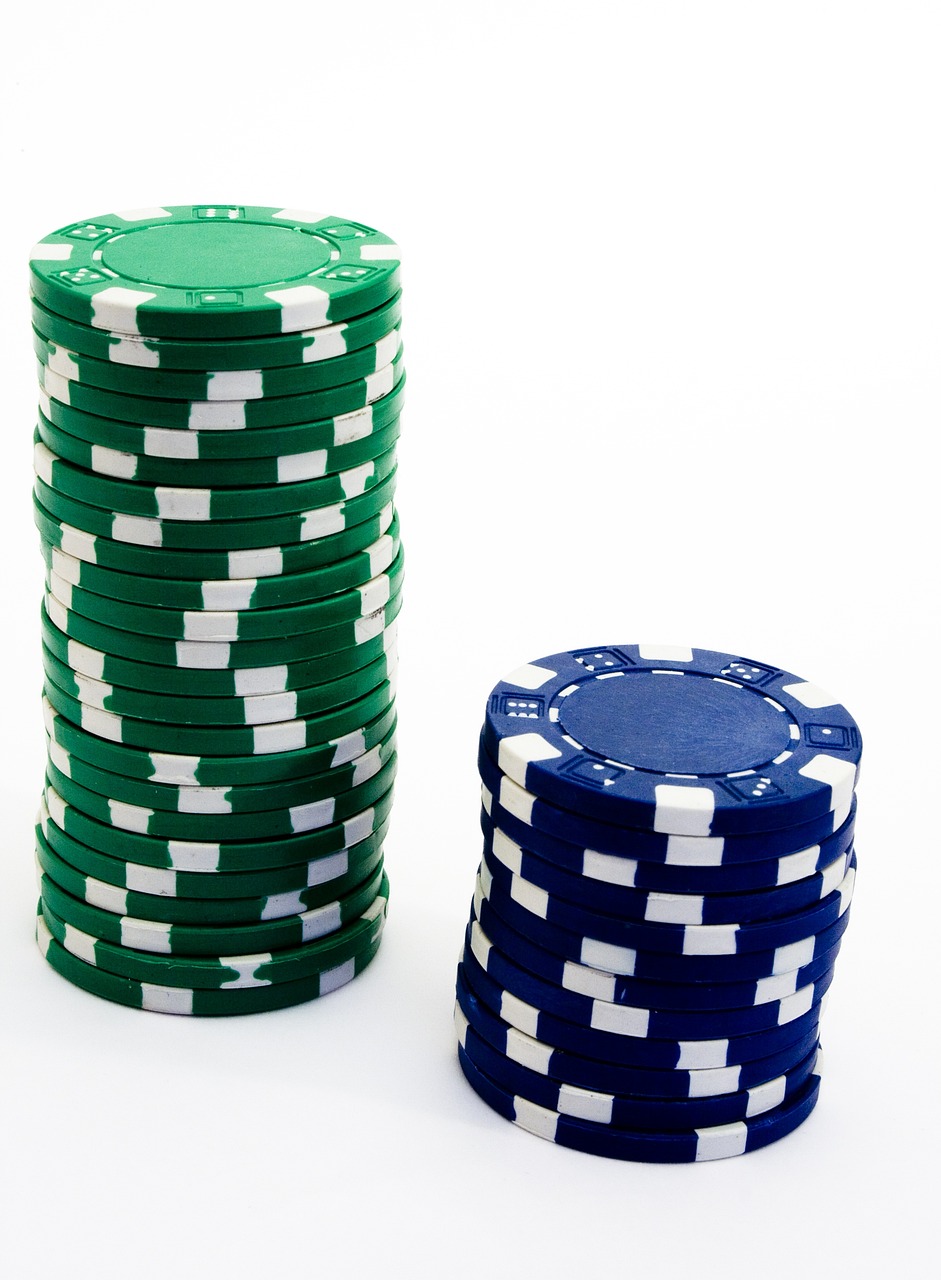
Walk into any online casino lobby and you will see the same thing that greeted players two decades ago: a wall of flashing slot reels. Poker has its loyalists, sports betting has its season, but slots remain the undisputed heavyweight of iGaming. Depending on whose data you trust, slots generate somewhere between 60 and 75 percent of all casino revenue globally. That is not an accident, and it is not purely about jackpot size. It is about how the human brain responds to uncertainty, speed, and near-misses. Understanding that machinery will make you a sharper player, whether you are spinning for fun or grinding poker tables for profit.
Here is a fact that surprises most casual players: a near-miss on a slot machine activates the same reward pathways as a small win. When two cherries line up and the third just misses the payline, your brain does not process that as a loss. It processes it as almost. Researchers have measured this using fMRI studies, and the pattern is consistent: the striatum and insula light up in ways that keep you pressing the button. Game designers know this. That is why modern video slots use tumble mechanics, expanding wilds, and scatter symbols that almost land. Each spin is engineered to feel like a coin toss that could flip your way at any moment.
The practical takeaway is not to avoid slots. It is to recognize when the near-miss effect is doing the thinking for you. If you have ever chased a bonus round for thirty spins after a heartbreaking miss, you already know the feeling. Set a hard loss limit before you start, not after. Many readers start with link vào rikvip when comparing options.
Slot math gets talked about in vague terms, but the numbers are concrete. Every slot has a return-to-player percentage, usually between 92 and 97 percent online. That means for every $100 wagered, the machine returns $92 to $97 over millions of spins. The house edge is the rest. What most players miss is volatility, which describes how those returns are distributed.
Choosing the right volatility for your bankroll matters more than chasing the highest RTP. A 96 percent RTP slot with extreme volatility will still bust you if you only bought in for twenty dollars.
Poker is the one game in the casino where a skilled player can sustain a positive expected value over time. Slots cannot offer that. The random number generator does not care how well you play. But poker and slots share an important psychological thread: both exploit your tolerance for variance.
In poker, a winning player might lose for 20,000 hands before the edge shows. In slots, a losing player might win for 200 spins before the math catches up. The difference is that poker rewards patience and study. Slots reward nothing but luck, though the illusion of pattern recognition is powerful. If you want a genuine edge, put your time into poker ranges, bet sizing, and game selection. If you want entertainment, slots deliver it efficiently and honestly, as long as you treat the spend as the cost of the experience.
Most iGaming advice on bankrolls is generic. Here is something more specific for slots and casino games:
Poker players already do this with buy-in limits and stop-losses. Slot players should adopt the same discipline. The games are different, but the financial mechanics are identical.
Welcome bonuses are the most advertised part of iGaming and the most misunderstood. A 100 percent match up to $500 with 35x wagering sounds generous until you read the terms. That $500 bonus usually requires $17,500 in total bets before you can withdraw a cent, and slots often contribute only 20 to 50 percent toward wagering requirements. Table games and some video poker variants may contribute 10 percent or less.
Before claiming any bonus, check three things:
If the terms feel designed to trap you, they probably are. A clean no-bonus deposit is often better for players who want to withdraw quickly.
The biggest shift in the last few years is not a new game mechanic. It is regulation. Markets like the United States, Brazil, and several European countries are tightening licensing, which means more player protections, slower withdrawals, and fewer shady operators. For players, that is mostly good news. Crypto casinos have moved in the opposite direction, offering instant payouts and anonymity, but with far less recourse if something goes wrong.
The slots themselves are converging with crash games and instant-win mechanics. Titles like Aviator and Plinko borrow the multiplier-chasing thrill of slots and compress it into thirty-second rounds. Poker is not disappearing, but it is becoming a niche for dedicated players while the mass market gravitates toward faster, simpler formats.
None of this changes the fundamentals. The house edge is real, variance is real, and the only person who controls your session is you. Slots will keep flashing, poker will keep demanding study, and sportsbooks will keep pricing in their margin. The players who last are the ones who understand the math, respect the psychology, and treat the whole thing as entertainment with a budget attached. That is not a boring approach. It is the only approach that keeps you in the game long enough to enjoy it.

Hi, my name is Anthony kuber. I am artist and fashion designer.
I love to travel and writing blogging.
Your email address will not be published. Required fields are marked *
Software Developer & Writer
Hey, I'm Diva, a developer and writer blending code and creativity. I'm driven by a deep curiosity and a relentless pursuit of excellence. Join me as I craft digital solutions and captivating stories.


