
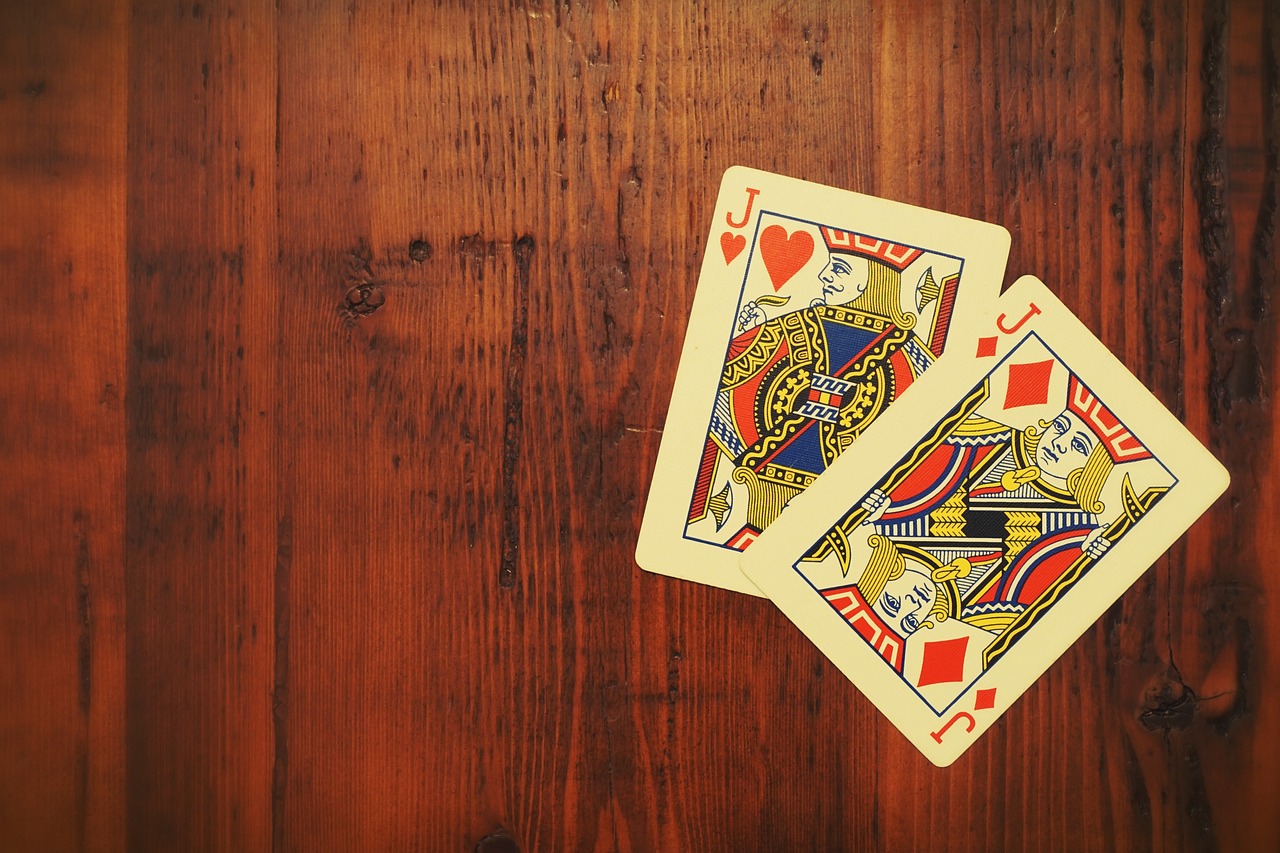
Most people lose money in iGaming for the same reason most people lose money in the stock market: they confuse action with strategy. They bounce between slot machines, place gut-feel bets on Tuesday night football, and sit down at a poker table without a plan. The industry loves these players. It's built for them. But a smaller group treats iGaming like a skill — learning the math, exploiting bonuses, managing a bankroll, and walking away when the edge disappears. That's who this article is for.
We're going to look at what actually separates profitable players from the crowd, from the RTP on your favorite slots to the rake you're quietly bleeding at the poker table. Nothing here is a get-rich-quick scheme. It's the stuff that, over hundreds of sessions, tilts the odds a little more in your favor.
Slots are the most popular game in any casino, online or off, and they're also the most misunderstood. Every slot has an RTP — return to player percentage — and it's not a marketing gimmick. It's the long-run percentage of all wagered money that gets returned to players. A slot with a 96% RTP pays back 96 cents for every dollar wagered over millions of spins. The house keeps 4%.
Here's where it gets interesting. RTP varies wildly between games. Mega Joker, for example, historically runs above 99% in certain configurations. Meanwhile, some branded Megaways titles sit at 94% or lower. That's a five-percentage-point swing — more than double the house edge on one game versus another. If you're grinding 500 spins a session, that difference is enormous.
Volatility matters just as much as RTP. High-volatility slots like Money Train or San Quentin pay rarely but hit hard. Low-volatility games like Starburst pay small amounts frequently. Neither is better, but they demand completely different bankrolls. A high-volatility slot with a 200-spin session budget is basically a lottery ticket. The same game with 1,000 spins gives the math a chance to work. For practical tips, check out tải king88.
Here's a truth the casino industry doesn't shout about: sports betting is the one vertical where a disciplined player can consistently find an edge. Not because they're smarter than the bookmakers, but because they're getting better prices. The betting market is inefficient in ways slot machines never are.
Take a Premier League matchday. You'll see the same game priced at 1.90 for a home win at one bookmaker and 2.05 at another. The implied probability of a 1.90 price is 52.6%. At 2.05, it's 48.8%. That 3.8% difference is your entire edge. Sharp bettors run multiple accounts and take the best available line every time, or they use matched betting to lock in profit from promotional offers.
The other area worth your attention is line movement. When a price crashes from 2.50 to 1.80 before kickoff, someone with more information than you piled in. Following that steam isn't criminal, and it's not cheating — it's reading the market. Just don't chase a number that's already been bet down to fair value.
Poker is fundamentally different from everything else in this article. The house doesn't beat you with a mathematical edge on each hand; it takes a rake — typically 5% of the pot capped at a few dollars — and steps back. Your opponent is the person across the table, not the operator.
This means the game changes depending on who's sitting down. At a 6-max low-stakes cash table, you'll find recreational players who call too much and fold too little. Against them, value betting is everything. You bet big when you have a hand, and you bluff rarely because they won't fold anyway. Move up to higher stakes, and the same strategy gets you destroyed. Everyone folds properly, so bluffing frequency and position become critical.
The single most underrated poker skill is table selection. A mediocre player at a fantastic table beats a great player at a bad table almost every time. Look for tables with high average pot sizes, multiple players seeing the flop, and low three-bet percentages. These are the games where mistakes are cheap and profits are real.
You can be the sharpest bettor in the world and still go broke if you wager 10% of your roll on every pick. Bankroll management isn't exciting. It doesn't make for good stories. But it's the difference between surviving a 20-buy-in downswing in poker and quitting the game entirely.
Standard guidance for cash game poker is to hold at least 20 to 30 buy-ins for your chosen stake. For tournaments, 50 to 100 buy-ins is safer because variance is brutal there. For sports betting, many pros wager 1% to 2% of their bankroll per play. For slots, think in session budgets — if you're not prepared to lose the full amount, you shouldn't sit down.
The psychology matters more than the math. When you know your maximum loss for the night, a bad streak stings but doesn't shake your judgment. That calm is worth more than any hot streak.
The iGaming industry is legal, regulated, and fair in most reputable jurisdictions — but it's also designed to exploit human psychology. Bonus terms with 40x wagering requirements, autoplay buttons that keep you spinning, and cash-out delays that stretch one bad decision into five are all deliberate. Recognizing the tricks is half the defense.
There's no secret to beating iGaming. But there is a way to stop being the player the house covets. Understand the math behind the games, take the best available price, manage your roll like it's a business, and treat the whole thing as entertainment with a skill layer on top.
The pros aren't geniuses. They're just consistent, disciplined, and ruthlessly honest about when the edge isn't there. If a session is going badly and the numbers don't support you, log off. The games will still be there tomorrow, and so will your bankroll if you've been smart about it. That's the edge most people never find — and the one that lasts.

Hi, my name is Anthony kuber. I am artist and fashion designer.
I love to travel and writing blogging.
Your email address will not be published. Required fields are marked *
Software Developer & Writer
Hey, I'm Diva, a developer and writer blending code and creativity. I'm driven by a deep curiosity and a relentless pursuit of excellence. Join me as I craft digital solutions and captivating stories.


