
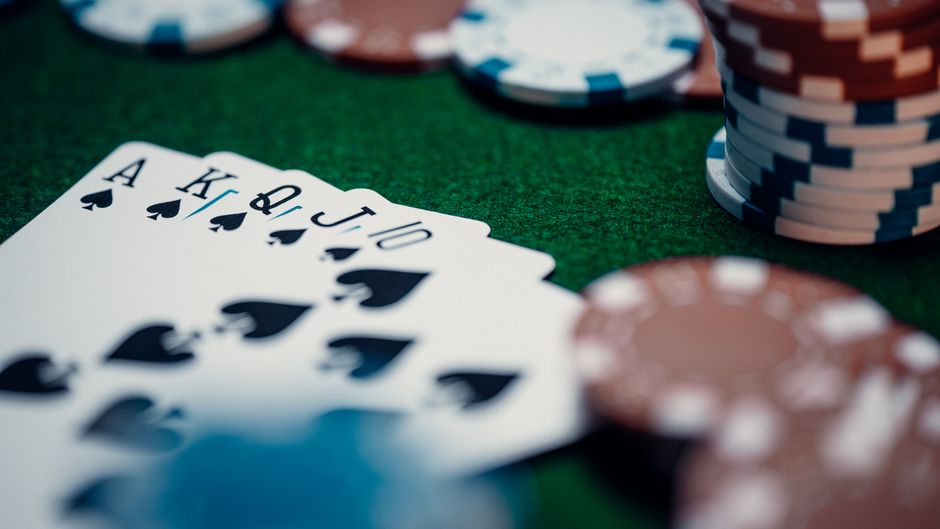
There is a moment every gambler knows. The reels are spinning, the poker timer is ticking down, and the sportsbook odds are shifting in real time. Your heart rate climbs, your palms get a little damp, and for a split second, the entire outcome of your night—maybe your week—hinges on a single click. That rush is the engine of the iGaming world. But beneath the neon glow of online casinos and the dopamine hit of a parlay landing, there is a quieter, more fascinating reality: the math, the psychology, and the strategy that separate a casual player from someone who actually understands the game.
Whether you are grinding micro-stakes poker, chasing a slot jackpot, or building a betting model for the Premier League, the modern iGaming landscape rewards curiosity. Let’s pull back the curtain on what is really happening when you log in.
Slots get a bad reputation among “serious” gamblers. They are often dismissed as mindless button-mashing, the casino equivalent of a lottery ticket. That reputation is partly earned—but it also hides one of the most misunderstood concepts in iGaming: volatility.
Every slot machine has a Return to Player (RTP) percentage, usually somewhere between 94% and 97% for modern video slots. That number tells you the theoretical payback over millions of spins. What it does not tell you is how those wins are distributed. That is where volatility comes in.
Here is the practical takeaway: if you have a $100 bankroll and you sit down at a high-volatility slot with a $1 spin, you are likely to bust out before you hit the bonus. The math does not care about your feelings. Smart slot players match their bankroll to the volatility, not the theme. They also check the max win cap—some slots advertise 10,000x, but the actual max cashout might be capped at $250,000. Read the paytable. It is boring, but it is the difference between a fun session and a frustrating one.
If slots are a game of pure chance, poker is a game of incomplete information and psychological warfare. The online poker ecosystem has changed drastically in the last decade. The boom of 2003–2010 is gone, replaced by a sharper, more global, and more solver-influenced player pool. But that does not mean the games are unbeatable. It means the edges are smaller and more specific. You will find a helpful summary at iwin68club.it.com.
Consider the modern micro-stakes online cash game ($0.01/$0.02 blinds). The average player now understands range construction, continuation betting, and pot odds better than a mid-stakes player did in 2008. Why? Because training sites, solvers, and YouTube breakdowns are everywhere. However, the same technology that made players smarter also created a different leak: over-reliance on GTO (Game Theory Optimal) play in games where exploitative play prints money.
Here is a concrete example. In a low-stakes tournament, you will frequently find players who call too much preflop and fold too much postflop. A GTO bot might tell you to bluff with a balanced frequency. But against a calling station, bluffing is lighting money on fire. The profitable adjustment is to value bet thinner and bluff less. That is not GTO—it is exploitation. The best online pros toggle between the two depending on their opponents.
If you want to improve your poker game without grinding solvers for 40 hours a week, start with these three habits:
Sports betting has exploded in the US and beyond, but most bettors lose. The reason is not bad luck. It is the vig—the sportsbook’s commission—and poor line shopping. If you consistently bet -110 odds (standard for spreads and totals), you need to win 52.4% of your bets just to break even. That is a razor-thin margin.
Professional bettors focus on one thing above all else: beating the closing line. The closing line is the final odds before an event starts. It represents the market’s most efficient estimate of true probability. If you consistently bet a team at +150 and the line closes at +130, you got a good price. Over 1,000 bets, that edge compounds.
How do you actually do that? It is not about picking winners. It is about finding stale lines.
One more thing: bankroll management is not optional. Even a 55% win-rate bettor can go broke if they bet 10% of their roll per game. A flat 1–2% stake per bet is the standard for a reason.
Welcome bonuses are the bait of the iGaming industry. A 100% match up to $500 sounds incredible until you read the terms. That is where the real game is played.
Look for these three numbers before claiming any bonus:
There is also a psychological trap: bonuses encourage you to play longer and at higher stakes than you planned. A $10 free spin offer is not free if it leads you to deposit $200 you did not intend to spend. Treat bonuses as a tool, not a gift.
The most successful people in iGaming—whether they are slot streamers, poker pros, or sharp bettors—share one trait: they understand the ecosystem. They know the house edge is real, but they also know that variance creates windows of opportunity. They read terms. They track results. They adjust.
You do not need to be a math genius to enjoy online casinos, poker, or sports betting. But you do need to respect the math. The house always wins in the long run—unless you find a game, a spot, or an edge where you are not playing the house’s game anymore. That is when iGaming stops being a lottery and starts being a skill.

Hi, my name is Anthony kuber. I am artist and fashion designer.
I love to travel and writing blogging.
Your email address will not be published. Required fields are marked *
Software Developer & Writer
Hey, I'm Diva, a developer and writer blending code and creativity. I'm driven by a deep curiosity and a relentless pursuit of excellence. Join me as I craft digital solutions and captivating stories.


