
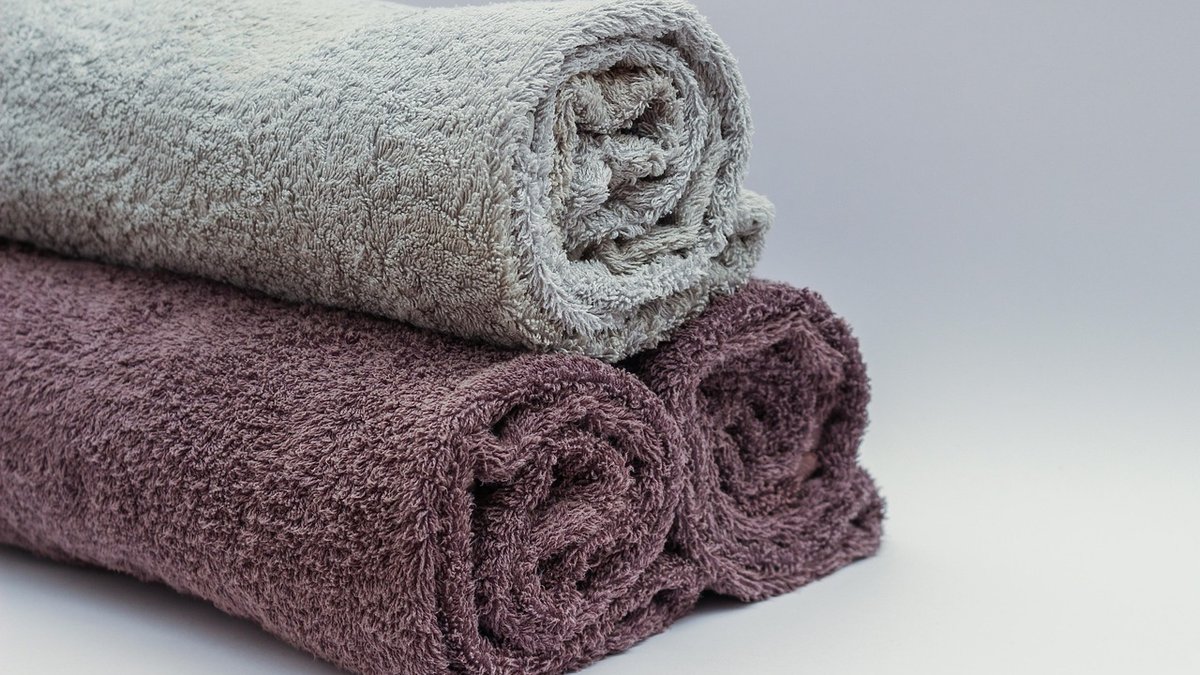
Long life begins at the till, not at the washing machine. A tablecloth woven at 200–300 gsm will outlast a thin 120 gsm cloth several times over, and the same logic applies to everything else in the linen cupboard. For sheets, look for a firm percale around 200–300 threads per inch with a tight, even weave; for towels, 500–700 gsm cotton with a low-twist pile, which stays thirsty rather than going stiff and matted.
Look closely at the yarn and the finishing. Long-staple cotton — Egyptian, Supima or similar — and European flax both resist pilling because their fibres are longer and shed less. Inspect the hems: a wide, double-stitched hem with a generous seam allowance can be let down and restitched when it frays, whilst a narrow overlocked edge cannot. Be cautious with heavy embroidery, lace inserts and openwork; they are beautiful, but they wear first and are awkward to repair. A plain, well-finished cloth quietly gets on with the job for twenty years.
Most household linen is washed far more often than it needs to be, and every wash cycle abrades fibres. Sheets genuinely want a weekly change, but towels can go three or four uses if they are hung to dry properly between them — a damp towel bundled in a basket will sour in a day, whilst one spread over a radiator or line will stay fresh for days. Tablecloths often only need spot treatment: blot the spill, work in a little diluted washing-up liquid with a soft cloth, rinse and press.
Napkins can be aired and reused across a week for the same household, and bath mats benefit from a good shake and an airing on the line far more than from a hot wash. Between washes, open the airing cupboard or linen press for an hour, and never put anything away slightly damp. That single habit causes more mildew, staining and rotting than any amount of laundering.
Shake everything out briskly before it goes on the line — this removes creases whilst the fibres are still relaxed, and saves ironing later. Dry whites and pale linens in full sun, which gently bleaches them, but turn coloured cloths, embroidery and anything with a print to the shade so the dye does not fade. A short tumble on low heat at the end softens towels and fluffs the pile; overdrying is what makes them brittle.
Bring linen in slightly damp and press it that way. Linen and cotton both respond to moisture and heat, so a warm iron on the reverse of the fabric gives a crisp finish with half the effort. Press embroidery face down on a thick towel to protect the stitching, and hang or roll tablecloths rather than folding them while hot, which sets permanent creases along the fold lines.
The difference between linen that lasts a decade and linen that lasts thirty years is usually a needle and ten minutes. Catch a tear when it is still two millimetres long and a simple backstitch with matching thread will be almost invisible; leave it and the next wash turns it into a hole the size of a coin.
Clean linen should be stored cool, dark and dry, folded loosely in a cotton bag or a lined drawer rather than sealed in plastic, which traps any lingering damp. Avoid the loft and the airing cupboard's hottest shelf. Refold sheets and tablecloths along slightly different lines each year so the same crease does not weaken the fibres, and rotate your sets so one favourite pair is not doing all the work.
When something finally reaches the end of its life as linen, it still has years left as a duster, a polishing cloth, a paint rag or a patch for something else. Cut around the worn area, hem the edges, and put it back into service. That is the real secret of a linen cupboard that never seems to empty: nothing leaves until it has been useful three times over.

Hi, my name is Anthony kuber. I am artist and fashion designer.
I love to travel and writing blogging.
Your email address will not be published. Required fields are marked *
Software Developer & Writer
Hey, I'm Diva, a developer and writer blending code and creativity. I'm driven by a deep curiosity and a relentless pursuit of excellence. Join me as I craft digital solutions and captivating stories.


