
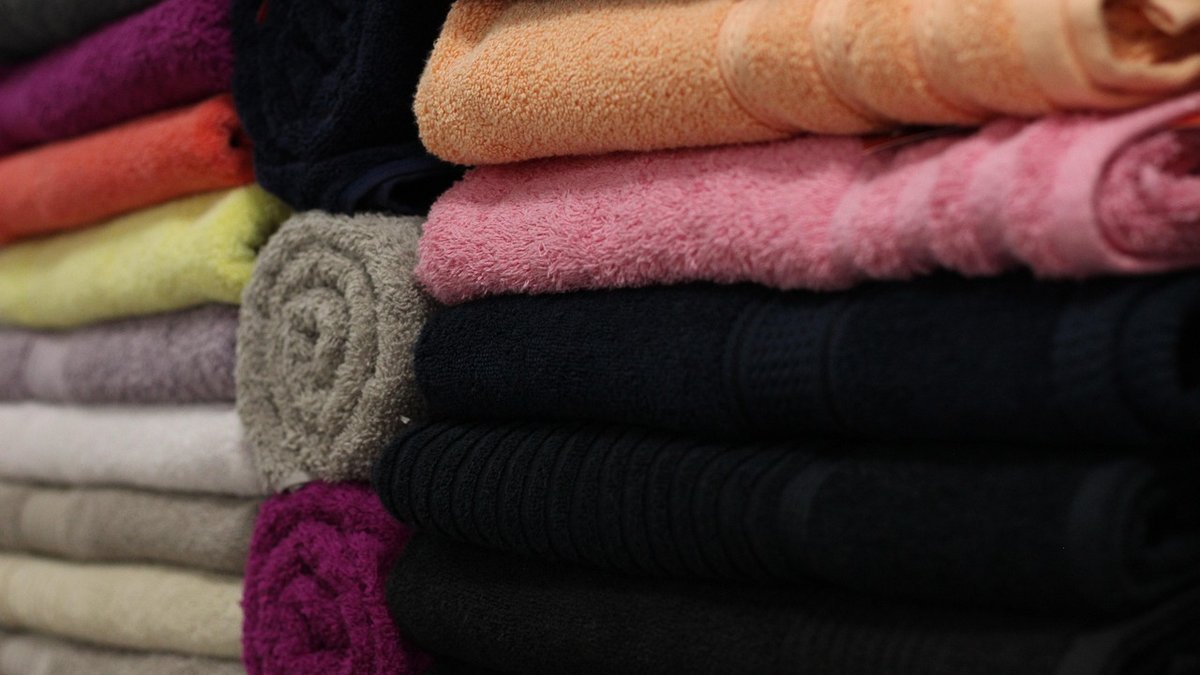
There is something quietly wonderful about unfolding a damask tablecloth that has already lived a life. Vintage linens carry a weight and drape that modern mass-produced cloths rarely match, and they were often made from long-staple cotton, Irish linen or hemp blends woven to last decades rather than a season. Charity shops, antique fairs, car boot sales, house clearances and online auction listings are all rich hunting grounds, but the difference between a bargain and a burden comes down to knowing what you are looking at. A little inspection saves a great deal of disappointment.
Before you fall for a pattern, turn the cloth over and examine how it was made. Hand-rolled hems and fine, even machine stitching are good signs; wobbly, puckered or overlocked edges suggest hasty repairs or a cheap original.
Stains tell a story, and not all of them are bad news. Foxing, the small brown speckles caused by damp storage, and old tea, coffee or wine marks will often lift with careful soaking. What you want to avoid is damage that has already eaten into the fibre.
Sniff the fabric, too. A clean, faintly grassy smell is a good sign. A damp, sour or chemical smell means the cloth has been stored poorly, and no amount of lavender water will fully disguise it.
A hand-embroidered monogram is often the loveliest thing about a vintage cloth, but think before you buy. Single initials look deliberate and elegant on any table; three letters in a fussy script may prompt questions from curious dinner guests. If the embroidery is intact and the stitches are tight, treasure it. If threads are loose, frayed or pulled, repairs are fiddly and rarely invisible.
Also look for woven labels or stamped numbers near the hem. They usually indicate the maker's mill, the size or a linen count, and they can help you judge quality. Cut or missing labels are not a deal-breaker, but a clear one is a nice reassurance.
Treat every new-to-you textile as delicate until proven otherwise. Begin with a long, cool soak in lukewarm water with a gentle oxygen-based bleach — never chlorine, which yellows linen over time. Leave it for several hours, agitate gently by hand, then rinse thoroughly.
The trick to making an old cloth feel current is contrast. Pair a heavy white damask with matte stoneware and simple glassware, or lay a fine embroidered runner down the centre of a bare wooden table instead of covering the whole surface. Mixing eras works beautifully when you keep the palette tight.
Buy slowly, inspect thoroughly, and you will build a collection of cloths that outlasts trend after trend — and looks better with every dinner.

Hi, my name is Anthony kuber. I am artist and fashion designer.
I love to travel and writing blogging.
Your email address will not be published. Required fields are marked *
Software Developer & Writer
Hey, I'm Diva, a developer and writer blending code and creativity. I'm driven by a deep curiosity and a relentless pursuit of excellence. Join me as I craft digital solutions and captivating stories.


